Purchase Now and Pay Later? Why Installment Payment Plans Hurt Your Bank Account
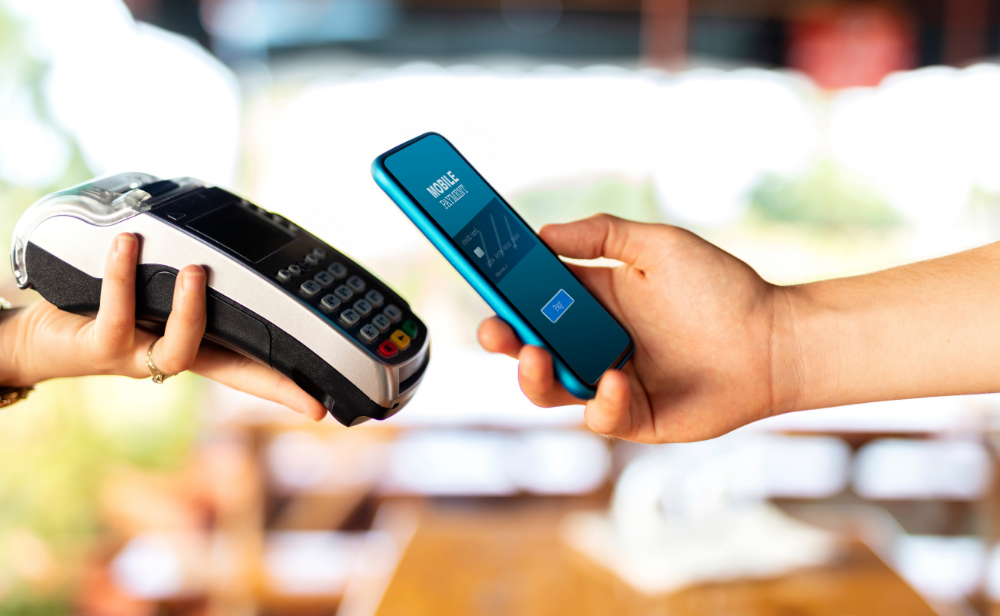
Come along with us: You’re going around Instagram, liking and saving things here and there, and leaving a few comments here and there. Then you see the most stunning targeted ad for the precise shoes you’ve been looking for. You click on the ad and discover that the shoes are too pricey—especially since you’ve already spent your entire budget for the month. But wait. “Buy now, pay later!” says a banner at the bottom of the page. There are only four $19.50 installment installments.”
Four $19.50 payments? I can afford that right now! Perhaps I should purchase these lovely ladies.
Installment Payment Plans: What Are They?
They’re similar to digital buy now, pay later arrangements. A digital installment plan divides your bill into smaller portions or installment payments, which you pay over time. Imagine falling in love, getting married, and having a baby—an unattractive baby—on layaway and credit.
Regrettably, the use of installment payment programs has increased dramatically. The first two months of 2021 were up 215 percent from the previous year! Over a third of Americans have used a buy now, pay later (BNPL) service, with the majority claiming to have done so because they couldn’t fit the purchase into their budget or didn’t want to pay interest on a credit card.
What’s even scarier is that those who claim they can’t afford to use installment plans are somehow making orders that are 18 percent larger. How regressive is that?
According to Ramsey Solutions’ State of Personal Finances report from 2021, most of those who used a BNPL service recently missed a payment. While younger consumers are more interested in these services, more affluent households are also. More than 35% of households earning more than $100,000 have utilized a digital installment plan, and they’re more likely to default on payments. Eighty-two percent of buyers with annual incomes of more than $100,000 admitted to skipping a payment. Isn’t that a bit of a puzzle?
What Are the Most Popular Digital Installment Brands?
You might be greeted by one of these strong hitters in the area of quick payments if you try to buy something online these days:
- Afterpay
- Affirm
- Klarna
- Sezzle
- Zip
- Uplift
Consumers can “pay in four” by making four interest-free payments every two weeks with most of these buy now, pay later providers. However, some retailers provide buyers with additional payment options that are even riskier.
Afterpay
“Shop now. Pay later,” says Afterpay’s tagline. Pay in 6 installments. “Avoid paying interest.” Buyers can divide their bill into four equal installments, with the first paid upfront and the remainder billed every two weeks using their service. Although Afterpay has no minimum purchase requirement, you could theoretically buy anything for $1 and split it into four 25-cent payments. Some merchants do need a minimum quantity before offering Afterpay as an option. They even provide an app that allows customers to pay four charges while shopping.
So, no one’s interested… what’s the catch? Late fees apply. Afterpay users can be charged a one-time fee of up to $10 for late payments on orders under $40, and late penalties on orders over $40 can be up to 25% of the order value, maximum at $68.
Affirm
Affirm, unlike Afterpay, offers a variety of payment options—insert their tagline: “Pay at your own pace.” Customers can choose how they wish to split the bill and how much time at checkout. You can pay interest-free every two weeks if it’s a smaller buy or takes out a larger loan if it’s a more significant expenditure. You’ll be subjected to a credit check in that instance. You’ll be charged a fixed interest rate (ranging from 0% to 30%) plus finance charges depending on your credit score.
Klarna
Klarna is like that lovely baby girl who has Mom and Dad wrapped around her finger—or rather, millennials and Gen Z tangled up in debt—with its bright pink logo and claimed that it “makes buying smooth.”
With its popular pay-in-four option is very similar to Afterpay. It is comparable to Afterpay in that it offers a popular pay-in-four option. This, like Affirm, offers a variety of payment alternatives, including a pay-in-30-day option (nothing due until the 30 days are up) and six to 36-month financing with interest rates as high as 29.99 percent annually. You’ll be charged a $35 penalty on top of the interest if you miss a payment on the financing plan. That’ll be painful!
Sezzle
We’ll allow that Sezzle has a catchy name, but that’s about all there is to it. “The road forward” is its slogan and Sezzle states on their website that they’re “here to help you… take charge of your finances so you can build your future.” This is impressive coming from a firm that likewise wants you to “get what you want now” by tying your hands in debt. But that rant will have to wait for another day.
Sezzle, like Afterpay, Affirm, and Klarna, divides orders into four interest-free payments spread out over six weeks, with a late fee of up to $10. You can also reschedule your payment with Sezzle. Your first rescheduling is complimentary (and in some states, you could get three free reschedules). Customers who require wriggle room between expenses may be charged a rescheduling fee of up to $5—how generous! Note that Sezzle was just purchased by zipping (another BNPL company), so expect changes later this year.
Zip (Previously Quadpay)
Zip also allows you to split your payment into four installments over six weeks (sound familiar?). On the other hand, Zip is slightly different, evidenced by its slogan: “Buy now, pay later. Anywhere.” Anywhere? Zip charges a $1 convenience fee for each payment and $7 late fees, even though they don’t charge interest.
Uplift
Uplift is distinct from the other buy now, pay later programs in that it is only available for travel. Customers use it to book flights and cruises. We’ll concede that Uplift’s tagline is uplifting: “Experience Buyers Joy.” But don’t be fooled by it. Buyer’s remorse will still creep in at some point.
When you book travel lodgings with Uplift, you can choose from various payment plans ranging from three months to two years. However, you’ll pay more in the long term because Uplift charges up to 36 percent interest and a loan origination fee (depending on your credit score). Dang! Doesn’t seem very encouraging anymore.
Even while buying now and paying later is a relatively new payment method, it’s evident that individuals rely on these corporations far more than they should. Take, for example, Afterpay. They made $10 billion in sales in the first half of their fiscal year in 2021! Worse, the popularity of installment payment plans appears to be growing when people are in financial need. At the height of the COVID-19 pandemic, demand for buy now and pay later services increased by 200 percent.
What Are the Benefits of Installment Payment Plans?
Assume you’re perusing the web and come upon a new blouse on sale at your favorite store. At $70, it’s a touch pricey and out of your price range, but because the store offers a purchase now, pay later option, you can have the shirt delivered to your home for only $17.50 right now.
Oh. But wait. There’s still more. (There’s always something else.)
You’ll have to pay another $17.50 in two weeks. And then there’s another… and another… till the amount is paid off. You’ll pay $70 in total if you’re keeping track, but it’ll be divided into four “simple” installments. You’ll be charged a late fee if you miss even one of those payments (oops!).
If you use Afterpay, you’ll be charged a $10 fee on the balance you already owe. And if you don’t pay every week, they’ll add another $10 to your account until it’s delivered (or the fees total up to 25 percent of the balance). Woof.
While late fees are inconvenient, interest is even worse. Take, for example, Uplift. You spend $1,000 on a flight to Mexico and decide to pay it off over a year. It’s only $83 each month, which is quite affordable! If you read the tiny print on the flight checkout page, you’ll notice that the flexible payment option has an average interest rate of 15%. (or up to 36 percent ). So you’ve spent an extra $150 by the end of the year.
Even if you complete your payments on time, the main issue is that it blinds you to the actual cost of your purchases. Instead of causing sticker shock, installment payments promote your “I want it now” mentality while also concealing the cost of what you’re purchasing.
What Can an Installment Payment Plan Get You?
What about that $1,000 iPhone? It might be yours right now for just $250 in four installments!
How about a two-week Mediterranean cruise for $2,500? There’s no need to save—you’ll be much more relaxed on the deck knowing you’ve got a year’s worth of payments to make long after your tan fades! That’s right!
Do you have an ice cream craving? When you grocery shop online, nothing beats being able to dive in now and pay later!
We hope you picked up on all of our sarcasm. We’re not joking, unfortunately. You can have all of those things and more with an installment payment plan. Check out some of the other popular pay later items:
- Clothing
- Tickets for concerts
- Cosmetics
- Electronics
- Furniture
- Groceries
- Fitness equipment
- Hotels
- Flights
- And more
Do Buy Now, Pay Later Plans Increase Your Spending?
Let’s say they don’t encourage you to save money.
Remember that these businesses want you to assume they aren’t in it for the money. But, hey, if consumers spend more money when they use their service, that’s OK. It’s also not a secret.
According to Afterpay, shops that use their service notice a 20% boost in customer purchases and a 25% rise in the average order price. Klarna promises much more, with customers purchasing 30% more and the average order price increasing 41%. And, not to be outdone by its competitors, Affirm has increased its upgrades, bundling, and add-ons by 85 percent! Is your stomach twisting at this point? Ours as well.
The facts show that people spend more when they employ installment payments like these. It also makes logic. If you arrive at the online checkout and realize that you can buy $125 worth of items for just $31, you might as well add a few more things you’ve been eyeing.
Get this: “Instead of adding three goods to a basket, when they [customers] use digital installments, they add seven items to their cart,” Ben Pressley, executive vice president of sales, operations, and strategy at Afterpay, confessed in an interview. The basket size also varies from $50 to more than $100.
Nick Molnar, the co-founder of Afterpay, called it a “service for millennials that can help them spend sensibly while simultaneously helping shops sell more items.”
That’s all there is to it. If you don’t have enough money to buy what you want, the “responsible” thing is to borrow money from a firm in this game to help the store sell more items to you. Why? To persuade you to go deeper into debt so you’ll return to buy even more things.
It’s no surprise that 78 percent of Americans live paycheck to paycheck. Thanks for your help, Afterpay.
These men are not trustable. Guys aren’t your friends. They won’t come to your rescue, so you can have that $250 leather jacket you “deserve.” They want to profit from you. They’re wagering that you won’t be able to pay, and they’ll benefit from it. If they can entice you and make you feel at ease, they’ll have you exactly where they want you—with your guard down and more debt.